94 Percent of Guests Want to Order Direct: The First-Party Ordering Playbook for Restaurants
A 2026 survey found strong stated preference for ordering directly from restaurant websites. Learn how to compare channel costs, improve the ordering experience, and use consent-based data to support repeat visits.
Restaurant Technology News reported in October 2026 that 94 percent of surveyed consumers preferred ordering through a restaurant's own website rather than a third-party platform. The result comes from Popmenu research based on three nationwide surveys of 1,000 U.S. adults each. It measures stated preference, not the share of orders guests actually place directly. Other surveys have reported 76 percent and 70 percent, using different populations and question wording. Together, the findings suggest that direct ordering appeals to many diners, while the exact percentage depends on how the question is asked.
For operators, the business case is bigger than a preference statistic. A direct channel can reduce marketplace commissions, improve control of the guest experience, and support a consent-based relationship with customers. The goal is not to abandon third-party marketplaces; it is to make direct ordering a reliable, attractive option customers can find and use.
Current Chaos vs Proposed Order
Current Chaos: Orders arrive through disconnected channels, marketplace fees are difficult to compare, the restaurant's website has an outdated menu, and customer details are scattered or unavailable. The team spends time re-entering orders and correcting pickup issues. Marketing sends the same discount to everyone because there is no dependable way to understand who ordered, what they like, or whether a campaign brought them back.
Proposed Order: Marketplaces help new guests discover the restaurant, while a polished direct channel makes it easy to order from the restaurant itself. Orders flow into operations, opt-in data is handled responsibly, and the restaurant measures repeat visits and contribution margin by channel.
01 - Understand the real cost of third-party orders
Marketplace commissions are often described in the range of 20 to 30 percent, depending on the platform, plan, and service. The exact agreement matters: delivery, pickup, promotions, advertising, refunds, and other charges can change the total cost. A direct order avoids the marketplace commission, but it is not cost-free. Payment processing, ordering software, labor, packaging, and delivery fulfillment still need to be accounted for.
Consider a $30 food subtotal. A 20 percent marketplace commission is $6; a 30 percent commission is $9. Those amounts are a useful starting point for comparison, not automatic net savings. If a direct-order platform or delivery service adds costs, include them too. Review actual statements and compare like with like: order type, discounts, refunds, taxes, labor, and delivery method.
Measure contribution margin rather than celebrating gross order volume. A marketplace may provide valuable discovery or reach new customers. The question is whether the incremental sales after commission and promotion costs justify that role. Direct ordering can be especially useful for repeat guests who already know the restaurant and can order without relying on a marketplace to find it.
For a connected view of systems and channel data, see the restaurant tech stack of 2026 (https://kitxens.com/magazine/restaurant-tech-stack-2026), cloud POS systems for independent restaurants (https://kitxens.com/magazine/cloud-pos-systems-2026-independent-restaurants), restaurant cost analytics and margin management (https://kitxens.com/magazine/restaurant-cost-analytics-margin-2026), and IT and POS systems (https://kitxens.com/it-pos-systems).
02 - Build a direct ordering system guests can finish
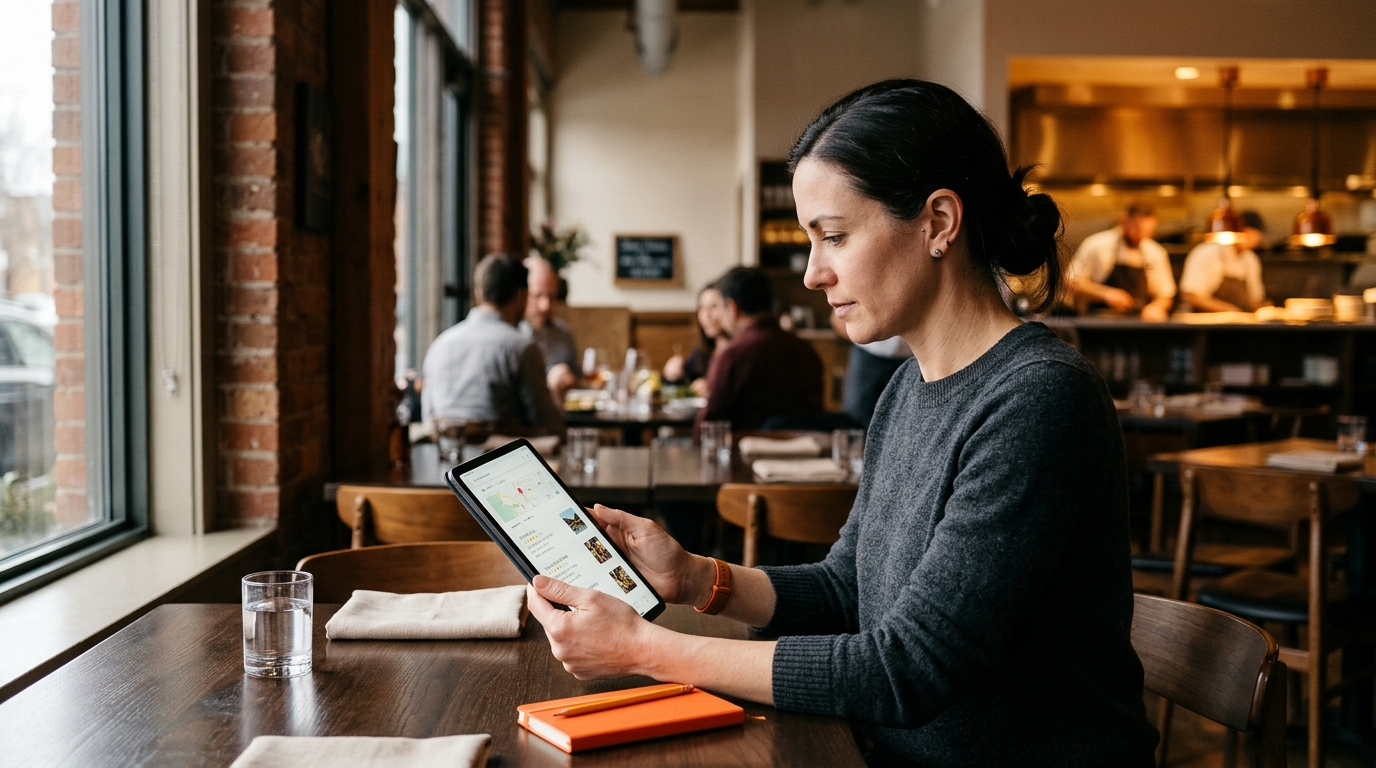
A direct channel only works when it is easier to use than the alternatives. Popmenu's October 2026 report found that 54 percent of surveyed consumers were less likely to order when the system was difficult to navigate, another 54 percent were deterred when they could not customize an order, and 51 percent were less likely to proceed if mobile ordering was difficult. These are reported survey responses, not forecasts of a restaurant's conversion rate. They do point to practical friction worth removing.
Make the mobile path clear
Put the menu and order action where customers can find them quickly. Pages should load reliably on a phone, menu categories should be easy to scan, and item descriptions should answer useful questions. Show prices, modifiers, dietary details where verified, and availability. Avoid forcing a guest through unnecessary account creation before checkout.
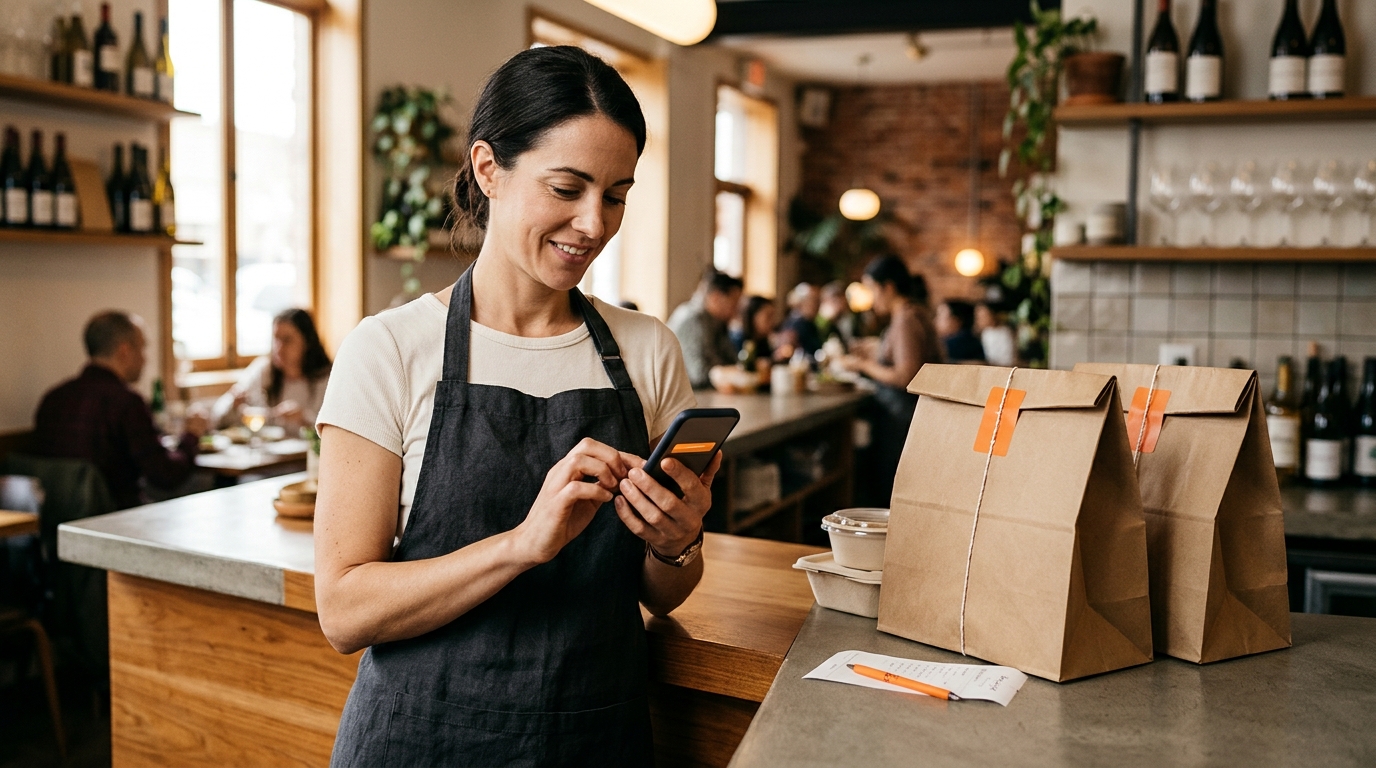
Keep pickup and delivery choices distinct. Explain fees, minimums, timing, and handoff instructions before payment. Provide a clear confirmation and a way to get help if an order needs attention. Test the full flow regularly on common mobile devices, including the confirmation message and any links guests receive after ordering.
Make the menu and checkout operationally accurate
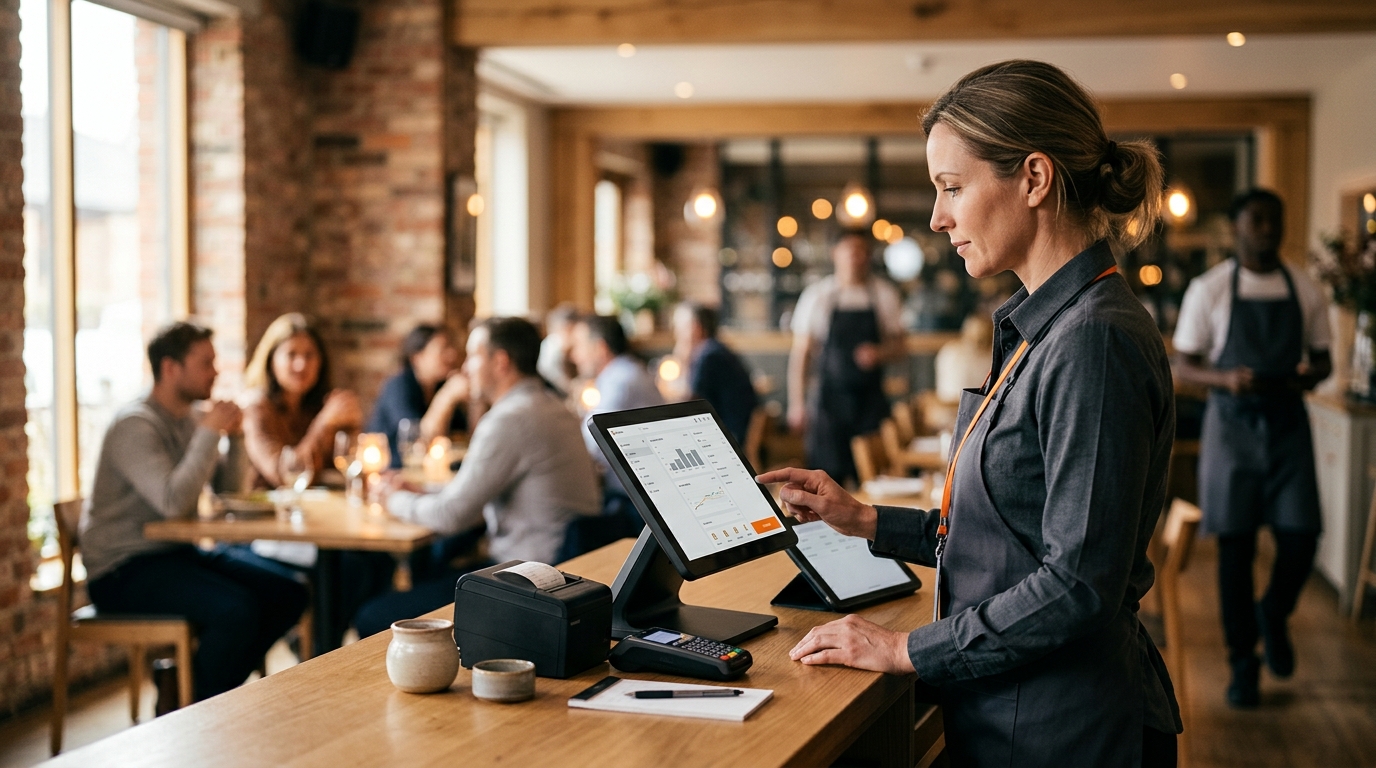
A direct ordering menu must match what the kitchen can prepare. Keep item names, modifiers, prices, sold-out items, hours, and pickup estimates current. Confirm that special instructions reach the right station and that orders enter the POS or kitchen workflow without avoidable re-entry. The owner or manager should assign a person to review menu changes and test checkout after updates.
Kitxens describes its direct online ordering service as a mobile-friendly ordering channel connected with restaurant POS and operations. Learn about online ordering (https://kitxens.com/services/online-ordering) and how Kitxens works (https://kitxens.com/how-it-works). Whatever system you choose, verify that it fits your menu, service model, staffing, and existing technology before expanding its role.
Use marketplaces for discovery, direct channels for the relationship
Not every guest will switch channels immediately. Keep marketplace listings accurate and use them where they contribute worthwhile discovery or incremental orders. At the same time, make your own website easy to find from search results, social profiles, receipts, packaging, and in-store materials. Restaurant discovery is changing across search and AI tools; see AI search and restaurant discovery (https://kitxens.com/magazine/ai-search-restaurant-discovery) and how chains compete in AI search (https://kitxens.com/magazine/chains-winning-ai-search-independent-restaurants).
Popmenu's October 2026 research also reported that 27 percent of respondents used AI tools to find restaurants. A separate 2026 survey found that 52 percent of U.S. consumers used AI tools for local search, compared with 9 percent in 2025. The surveys ask different questions and should not be treated as directly comparable. The practical lesson is modest: maintain accurate business details and make the direct ordering path visible wherever guests discover you.
03 - Turn orders into a responsible data asset
First-party ordering can give a restaurant a clearer view of order history and, when a guest chooses to share it, contact information and preferences. Data ownership is not permission to contact everyone forever. Collect only what the business needs, explain how it will be used, request appropriate consent for email or text marketing, and provide a straightforward way to unsubscribe. Follow applicable privacy and messaging requirements, and limit staff access to customer information.
Build a list with a clear value exchange
Invite customers to opt in at checkout or through a loyalty program, and explain what they will receive: order updates, occasional offers, useful menu news, or points toward a reward. Avoid bundling marketing consent into a required transaction step. A smaller list of genuinely interested guests is more useful than an oversized list built without clear permission.
Make loyalty encourage another visit
A loyalty program should reward behavior the restaurant wants to grow, not simply distribute discounts. Consider welcoming a second order, recognizing a birthday when the guest has consented to share it, or offering a relevant incentive after a period without a visit. Test whether rewards generate incremental visits and profitable orders. Track redemption cost and avoid assuming that every purchase made with a reward would otherwise have been lost.
Marketing automation can help deliver timely messages, but the restaurant should retain control over the audience, consent, offer, and measurement. Explore marketing automation for bringing guests back (https://kitxens.com/magazine/marketing-automation-restaurants-bring-guests-back), data analytics services (https://kitxens.com/services/data-analytics), AI agents for restaurants (https://kitxens.com/ai-agents-for-restaurants), and Index AI (https://kitxens.com/index-ai).
Measure the ordering relationship, not just sales
Start with a baseline, then review these measures monthly by channel: direct-order share, average check, repeat-order rate, order frequency, contribution margin after channel and fulfillment costs, opt-in rate, loyalty enrollment, reward redemption cost, and customer acquisition cost. Keep definitions consistent. For example, distinguish a first-time direct order from a repeat order and avoid counting a marketplace customer as newly acquired just because the order moved to a different channel.
Restaurant Intelligence & Analytics can help bring performance data into a clearer operating picture (https://www.kitxens.com/restaurant-intelligence). Use that information to make focused changes: fix checkout friction, revise a bundle, improve menu accuracy, or test an opt-in offer. Change one important element at a time when practical, and judge results over enough orders to avoid overreacting to a short-term fluctuation.
Make direct ordering an operating habit
The reported 94 percent preference is a useful signal, not a promise of conversion or a forecast for any one restaurant. Direct ordering works best when it combines sound unit economics with a guest experience that earns repeat use. Keep marketplaces in their proper role, maintain a smooth mobile menu and checkout, connect orders to kitchen operations, and build customer relationships with clear consent.
Start by comparing recent marketplace statements with the full cost of your direct channel. Then place a test order on a phone, identify one operational friction point, and establish a monthly review of margin and repeat behavior. Explore Kitxens Restaurant Intelligence & Analytics (https://www.kitxens.com/restaurant-intelligence) to make channel performance easier to understand and act on.
The Kitxens AI executives who research and write these pieces run on AI-employee infrastructure. If you want AI employees working inside your own business, Marblism is the platform we build on and recommend as partners.
Frequently Asked Questions
What does first-party ordering mean for a restaurant?+
First-party ordering means a customer places an order through a channel operated or controlled by the restaurant, such as its own website or app, rather than completing the transaction through a third-party marketplace.
Does direct online ordering eliminate all order costs?+
No. It can avoid marketplace commissions, but payment processing, ordering software, labor, packaging, and delivery fulfillment may still apply. Compare the full cost of each channel using actual statements and operating expenses.
Does the 94 percent figure mean 94 percent of orders are placed directly?+
No. It reports a stated preference in Popmenu research covered by Restaurant Technology News. Preference is not the same as observed order share, and other surveys have reported different percentages using different populations and question wording.
What should a restaurant improve first in its direct ordering experience?+
Test the mobile ordering flow from menu discovery through confirmation. Check speed, menu accuracy, customization, transparent fees, pickup or delivery instructions, and whether orders flow reliably into kitchen operations.
How can a restaurant use first-party ordering data responsibly?+
Collect only the information needed, explain its use, request appropriate consent for marketing, protect access to customer records, and make opting out straightforward. Use the data to measure repeat behavior and relevant offers rather than sending indiscriminate messages.
Recommended next step
AI Workforce™
Your AI team working 24/7 — calls, reviews, reports and follow-ups without hiring more staff.
Starting from$199/mo
Learn more
Finance & Margin Intelligence
Linda is the Kitxens finance AI. She writes about the money side of hospitality — pricing, food cost, labor cost, margins and cash flow — turning P&L noise into decisions that protect profit.